

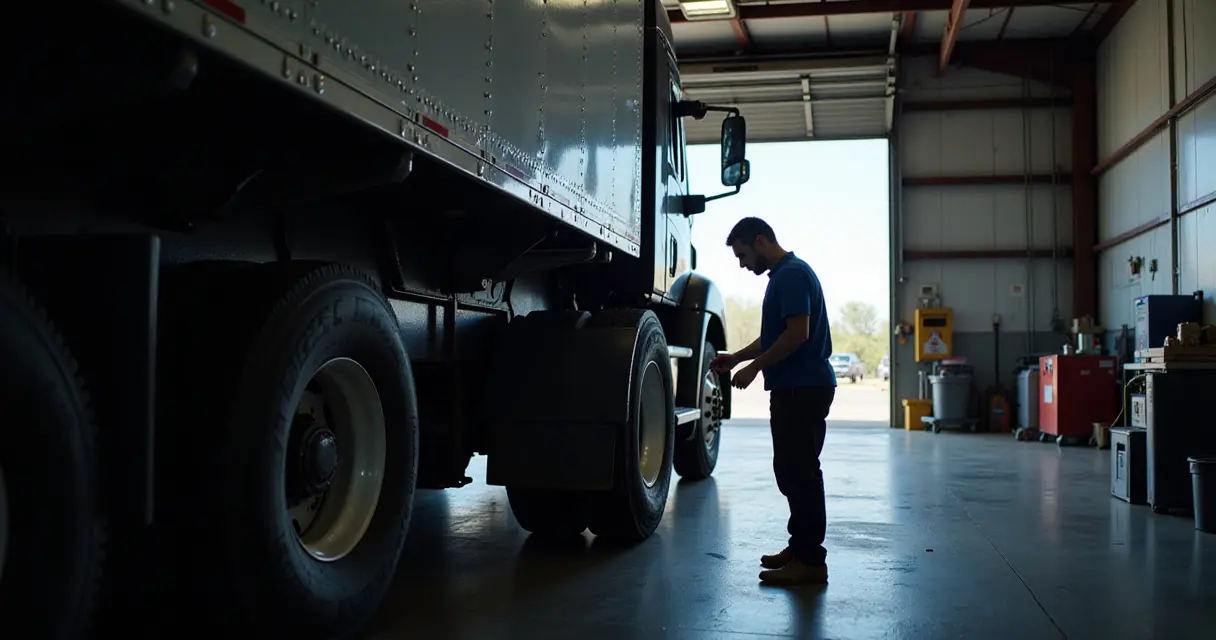
Diesel engines power trucks, buses, and heavy machines, so skilled diesel technicians are always needed. Diesel mechanic training can begin online, at no cost, before you put a dollar into a course or a school.
The old obstacle was money. Formal diesel training used to mean paying a trade school up front, long before you earned a paycheck in a shop.
That is no longer the case. A free online course lets you pick up diesel engines, fuel systems, and diagnostics first, then carry that head start into real hands-on training.
This guide is upfront about what a free course can do. It gives you solid foundations and a certificate of completion, not the ASE certification and shop experience that employers actually pay for.
Why diesel mechanic training pays off
Pay comes first. Diesel service technicians and mechanics earned a median wage of 60,640 dollars a year in May 2024, according to the U.S. Bureau of Labor Statistics.
That beats general auto repair, and diesel technicians with ASE certification and experience earn even more. Fleets and trucking companies pay well for dependable diesel skill.
The demand stays stable because freight never stops moving. Even as the field changes, trucks, buses, and heavy equipment keep needing trained diesel technicians.


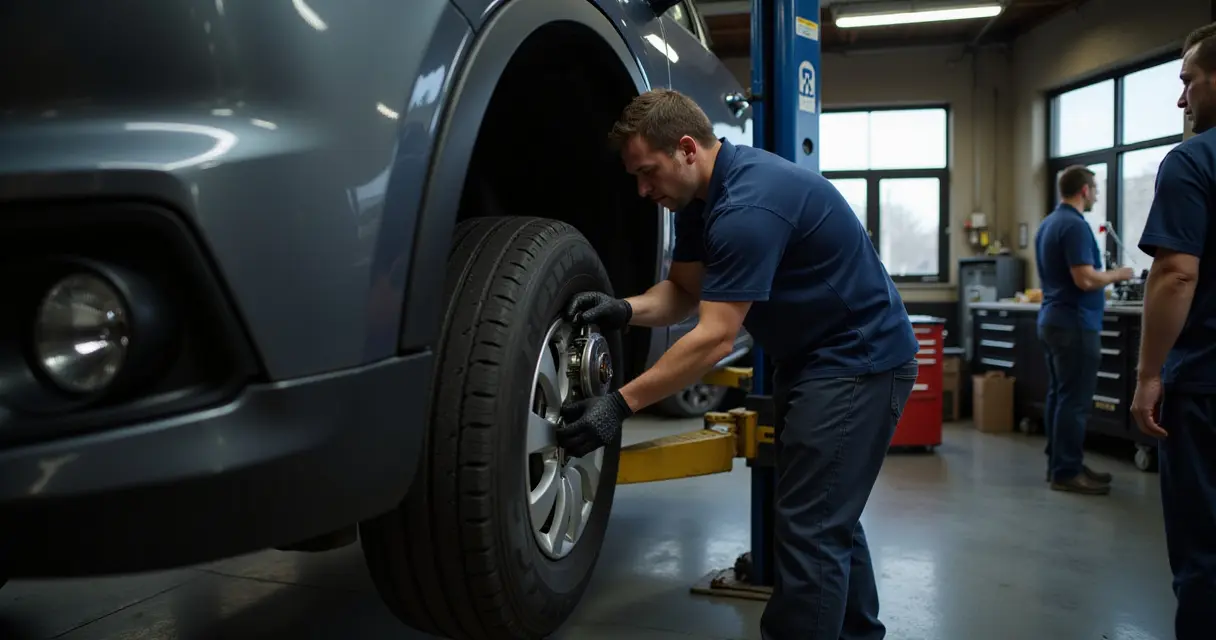
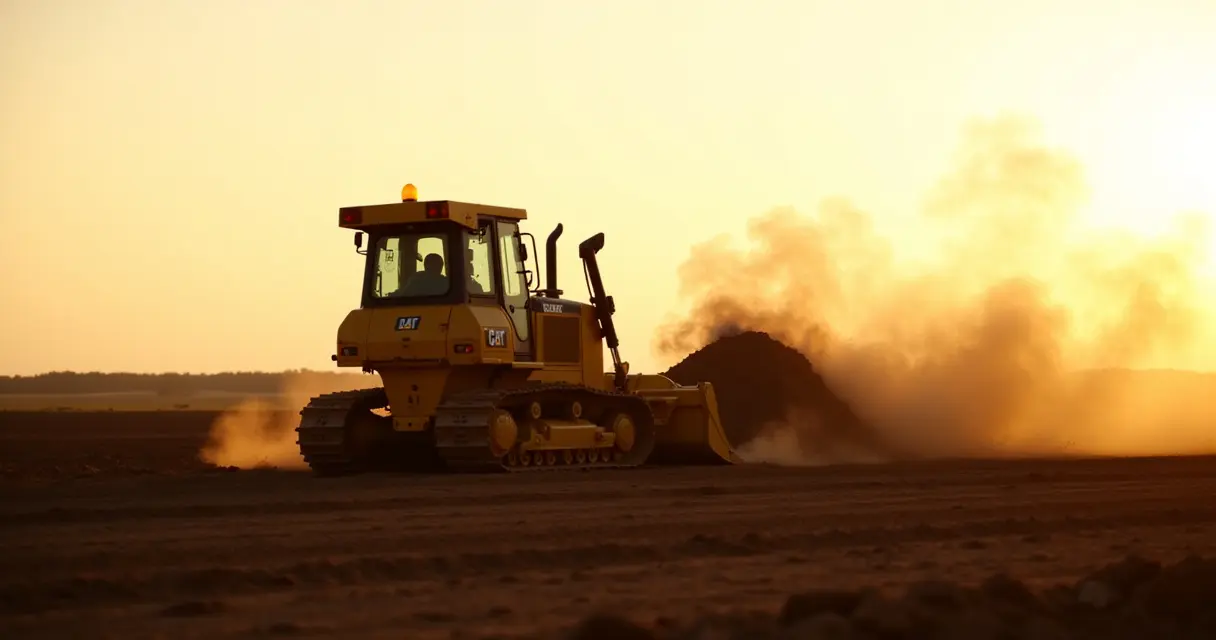
Best of all, you do not need a degree for a diesel career. Most technicians begin with a high school diploma and grow through training, an apprenticeship, or time spent in a shop.
Where diesel technicians work and which jobs pay best
Diesel technicians work at trucking fleets, dealerships, bus and transit shops, and heavy equipment yards. That variety keeps the trade stable year after year.
Pay rises with specialty and skill. Engine rebuilds, emissions systems, and electronic diagnostics pay more than general work, and fleet shops often throw in benefits.
Some diesel jobs require you to move trucks, so a commercial driver license can help. Our CDL guide covers that route.
What a diesel technician really does
Diesel technicians maintain and repair engines, fuel systems, turbochargers, brakes, and transmissions on heavy vehicles. A modern diesel is as much a computer as an engine.
Diagnostics takes up a big share of the job. Pulling fault codes and tracking down emissions and electronic problems is a skill that lifts your pay quickly.
Kinds of diesel work you can specialize in
Diesel is a wide field, and each area rewards a different focus. Choosing one helps you aim both your training and your job search.
Trucks and fleets
Fleet and long haul trucks provide the largest share of diesel jobs. The work is steady, the pay is good, and the path to a specialty is clear.
Heavy equipment and off-road machines
Excavators, loaders, and generators all run on diesel. This work fits nicely with our heavy equipment guide.
Emissions and electronic diagnostics
Today's diesels are packed with sensors and emissions controls. Technicians who master electronic diagnostics are in high demand and earn more.
What certification actually requires: ASE diesel
Here is the honest part. A completion certificate shows you studied. The credential employers value is ASE certification in medium and heavy trucks or diesel engines.
ASE certifies diesel and truck specialty areas, from engines to brakes to electrical systems. You earn them as your experience grows, and they unlock higher pay.
What "free" really covers, and what it leaves out
Free covers the knowledge. You can learn diesel engines, fuel systems, and diagnostic theory without spending anything, and you end up with a certificate that shows initiative.
Free does not pay for the hands-on hours, the ASE exams, or your tools. Diesel technicians usually put together their own tool set over time, so plan for that from day one.
How online diesel training works, and where it ends
Online training is helpful for the knowledge side. You study engine theory, fuel and emissions systems, and diagnostics before you ever pick up a wrench.
Where it ends is the hands-on work. No app can teach your hands to rebuild an injector, read a running diesel, or run a real diagnostic on a truck.
So think of the free course as the first step of your training. It prepares you to walk into a shop already knowing the vocabulary and the safety rules.
The skills you need to learn
- The parts of a diesel engine and how they work together
- Fuel injection, turbochargers, and emissions systems
- Electrical and electronic troubleshooting with a scanner
- Brakes, transmissions, and drivetrains on heavy vehicles
- Shop safety, tools, and tidy work habits
- How ASE diesel and truck certification works
Shop safety rules every diesel technician needs
Safety is what employers care about most, and it is where a free course pays off early. Good habits protect you, the vehicle, and the shop.
- Follow lockout steps before working on a large engine
- Wear eye protection and gloves around fuel, oil, and hot parts
- Handle batteries and pressurized systems carefully
- Keep the bay tidy so tools and spills do not cause accidents
- Stick to OSHA-aligned safety practices every time
The best free and low cost resources
These are legitimate places to start diesel training. The ones that lead to a real job are usually in person and funded, not a quick online badge.
- Alison: free online diesel and engine courses that come with a completion certificate.
- ASE: the certification employers value, with diesel and truck specialty areas.
- CareerOneStop: look up local, WIOA funded hands-on training and apprenticeships.
- Community colleges and dealer or fleet programs: paid, hands-on training on actual engines.
Many diesel technicians also pick up welding and fabrication for exhaust, frame, and bracket jobs. A free welding course fits well alongside diesel training. Take a look at our free welding course guide.
Does diesel training really cost nothing? An honest look at the costs
| Step | Typical cost |
|---|---|
| Online foundations course | Free |
| Hands-on training at a school or college | Paid, unless WIOA or an employer covers it |
| ASE certification exams | Paid, for each specialty area |
| Your own tools | Paid, bought little by little |
| Apprenticeship route | You get paid while you train |
How long until you can work as a diesel technician
The free online foundations take a few days to a few weeks at your own pace. That part depends only on how quickly you work through the course.
Hands-on training takes longer. A trade program can last from several months to two years, while an apprenticeship builds your skill over a few years as you earn.
ASE certification also requires real work experience. The honest lesson is that you can start for free today, but a paid career is a journey.
The smartest free path: an apprenticeship
If you want real training with no debt, an apprenticeship or a fleet program is the best option. You learn on actual engines and get paid while your skill grows.
You come out with real hours and a clear road to ASE certification. Government workforce programs such as WIOA can also pay for training if you qualify.
Use the free online course to get ready for the interview and the entry test. Showing up with the basics already learned makes you a stronger candidate.
Can an online course take the place of hands-on training?
No, and any site that claims it can is trying to sell you something. The classroom portion can happen online, but the wrench portion cannot. Real hours on actual engines are a must.
Will employers take your certificate seriously?
As a signal, yes. A completion certificate shows initiative and that you know the basics before your first day.
As a replacement, no. It does not take the place of the hands-on hours, your tools, or the ASE certification that unlocks higher pay.
Red flags to look out for
- Sites that promise "ASE certification in days," all online
- Courses that charge you for a credential they cannot actually issue
- Pages that never bring up hands-on work, tools, or real experience
- Badges that say "certified" when all they mean is "watched the video"
Growing your skills and your pay
Diesel combines well with other high paying skills. Many technicians branch out into automotive electrical and EV work or add more ASE certifications.
For the whole picture, begin with our main automotive mechanic guide and browse every free training path in the high-paying jobs hub.
How to move up as a diesel technician
Moving up in diesel means stacking skills and certifications. You begin with basic service, then take on engines, emissions, and electronic diagnostics as you learn.
Every ASE certification you add increases your value, and fleets often pay extra for a technician who can handle the entire truck. Specializing in emissions or electronics pays particularly well.
Some technicians go further and become shop leads or service managers, or open their own shops. The free course is step one, but diesel has a high ceiling for people who keep learning.
Tips to start your diesel career on the right foot
- Complete the free course and keep your certificate to show initiative
- Ask fleets and dealers about entry level or helper roles to get your foot in the door
- Get a basic tool set and add to it as you learn
- Go for your first ASE diesel certification as soon as you are eligible
- Accept safety training every time it is offered
Technicians who take the early steps seriously move up faster. The free foundations are the easiest first win, so begin there and keep adding real hours.
What to expect at your first shop job
Your first months are about showing you are dependable and safe. Expect basic service and inspections while you get to know the shop and its tools.
A good lead technician will review your work and teach you diagnostics along the way. The theory from your free course comes into play right away, so finishing it pays off.
Arrive on time, keep your work area clean, and ask questions. That kind of reputation, plus your first ASE, is what turns a helper job into a real diesel career.
Frequently asked questions
Can I find a free diesel mechanic course?
Yes. Sites such as Alison offer free online diesel and engine courses that come with a certificate of completion. Hands-on training and ASE are separate steps.
How much does a diesel mechanic earn?
Diesel service technicians earned a median of 60,640 dollars a year in May 2024, according to the BLS. That is more than general auto repair pays.
Is a CDL required to work as a diesel technician?
Not always, but it helps. Some shops ask you to move trucks, so a CDL can open more job options. The rules differ by employer and by state.
Is diesel work harder than regular auto repair?
It is different rather than harder. Diesel systems are heavier and use different fuel and emissions technology, but the diagnostic skills transfer from auto repair.
How long is diesel training?
The online foundations take anywhere from days to weeks. Hands-on training lasts from several months to two years, and ASE also requires work experience.
Is there a way to get diesel training without paying?
For the foundations, yes. Hands-on training can be free as well through WIOA funding or a paid apprenticeship, if you qualify.
Will electric vehicles make diesel a dead end?
No. Heavy trucks, buses, construction machines, and generators will rely on diesel for the foreseeable future, so trained diesel technicians remain in demand.
Do diesel technicians work outside?
Mostly in shops, but some fleet and roadside jobs involve outdoor work. Heavy equipment and field service roles can put you on a job site.
Is an online course enough to get hired?
It helps as a signal, but most employers want hands-on skill and progress toward ASE certification before they hire.